
Aesthetic Imitation vs. Artistic Vision
Why AI-generated Ghibli images miss the mark (and what to look at instead)

Last Monday OpenAI released a new image production feature. People lost their minds over the cute, colourful outputs and a frenzy of image generation ensued (people basically did 24 hours of free marketing for one of the wealthiest companies on the planet). Timelines across social media platforms were saturated with images “in the style of Studio Ghibli”
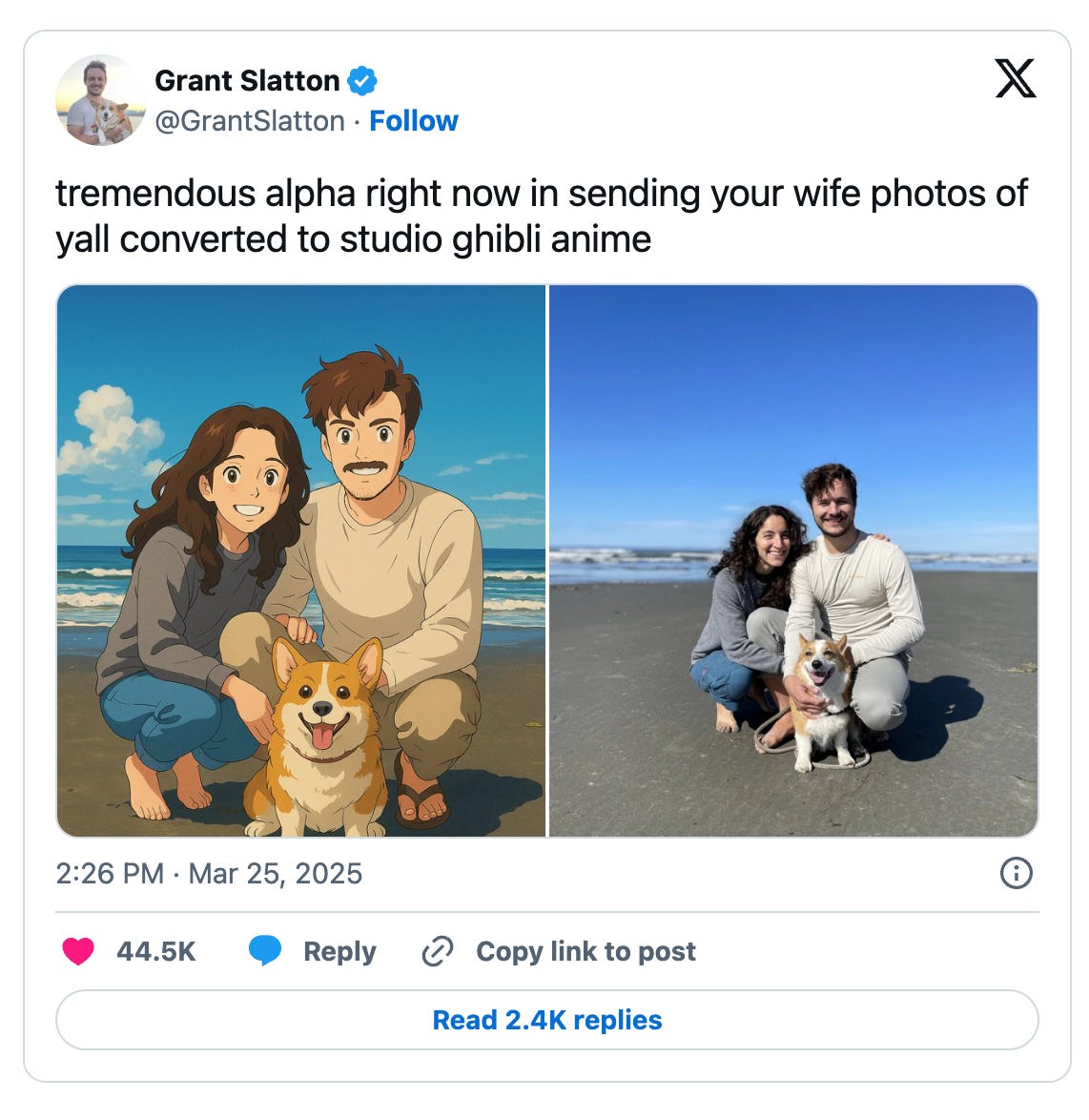
“Make it Ghibli” became last week’s viral trend (let’s take a moment to acknowledge that virality and fucking disease are closely intertwined).
Make it Ghibli: My family photo, my dog, my artwork, my childhood, my favourite movie scenes, my favourite memes. Everyone and their mother took to ChatGPT, feeding it their images and asking it to “make it Ghibli”.
There are a thousand reasons why this trend sucks, including:
The fact that OpenAI – a company set to earn $12.7B in profits this year – can train its data sets on the hard work of countless talented people without any need for remuneration.
The fact that this trend has reignited the tired idea that AI models “democratise art”. To fully access ChatGPT’s 4o image generation model, you have to pay $200 a month. A pencil costs 60c.
The fact that the images created are just not that good. They’re clean, predictable, soulless, and straight up boring.
But what struck me the most about this trend is the focus on output.
The idea that these images are worthwhile and valuable because they look a certain way actually deeply misunderstands art and creative expression. Ghibli movies are not great simply because they look like Ghibli movies. That’s just the tip of the iceberg.
Ghibli movies are great because they are the expression of a singular creative vision. Many of the most beloved films are shaped by Hayao Miyazaki, supported by scores of animators who spend hundreds of hours bringing his ideas to life—because they believe in his vision.
A Four-second scene that took 15 months to create:
It’s the belief, the dedication, the time, the devotion, the vision - that’s what brings each frame to life and gives each Ghibli film an energy and beauty that really moves people.
The movies and the style are the expression of deeply human tendencies and passions. His movies express the full range of human emotions, and ask real questions about what it means to be a person navigating a complex world. His movies look cute or pretty or warm or beautiful because for him, that is an important expression of what it means to be human. It’s a lot more than aesthetics.
When you look at it this way, having a piece of AI software make a ghibli version of your family pet is completely fucking boring and meaningless. And don’t we have enough boring, meaningless shit without dragging one of the most talented and beloved creators of our time into the sludge of mediocrity?
You may have noticed that I actually write a lot about AI art on this blog. But the artists I write about use AI as a tool, and often as a means of interrogating and testing the inner workings of the tech itself. They invest time and brain power and emotion into the work they create in dialogue with their AI of choice. There is still intention and humanity in their work. On that note, let’s look at some interesting art that uses AI in a way that doesn’t make me want to tear my eyeballs out.
Herndon Dryhurst Studio
Holly Herndon and Mat Dryhurst are collaborators whose practice explores the possibilities and limitations of AI softwares, posing questions about authorship and ownership in our digital age. Through image generation, model training, sound art and more, their work often incorporates or foregrounds AI as a collaborator.
Spawn Training Ceremony
Spawn Training Ceremony I: Deep Belief is an interactive performance that premiered in April 2018 at Berlin's Gropius Bau as part of the ISM Hexadome project. This event introduced Spawn, an artificial neural network developed to recognize and reproduce human voices.
During the ceremony, a cast of characters guided the audience through sung and spoken exercises to train Spawn in understanding and interpreting human vocalizations. Participants engaged in collective recitations and emotional expressions, providing data for Spawn's learning process.
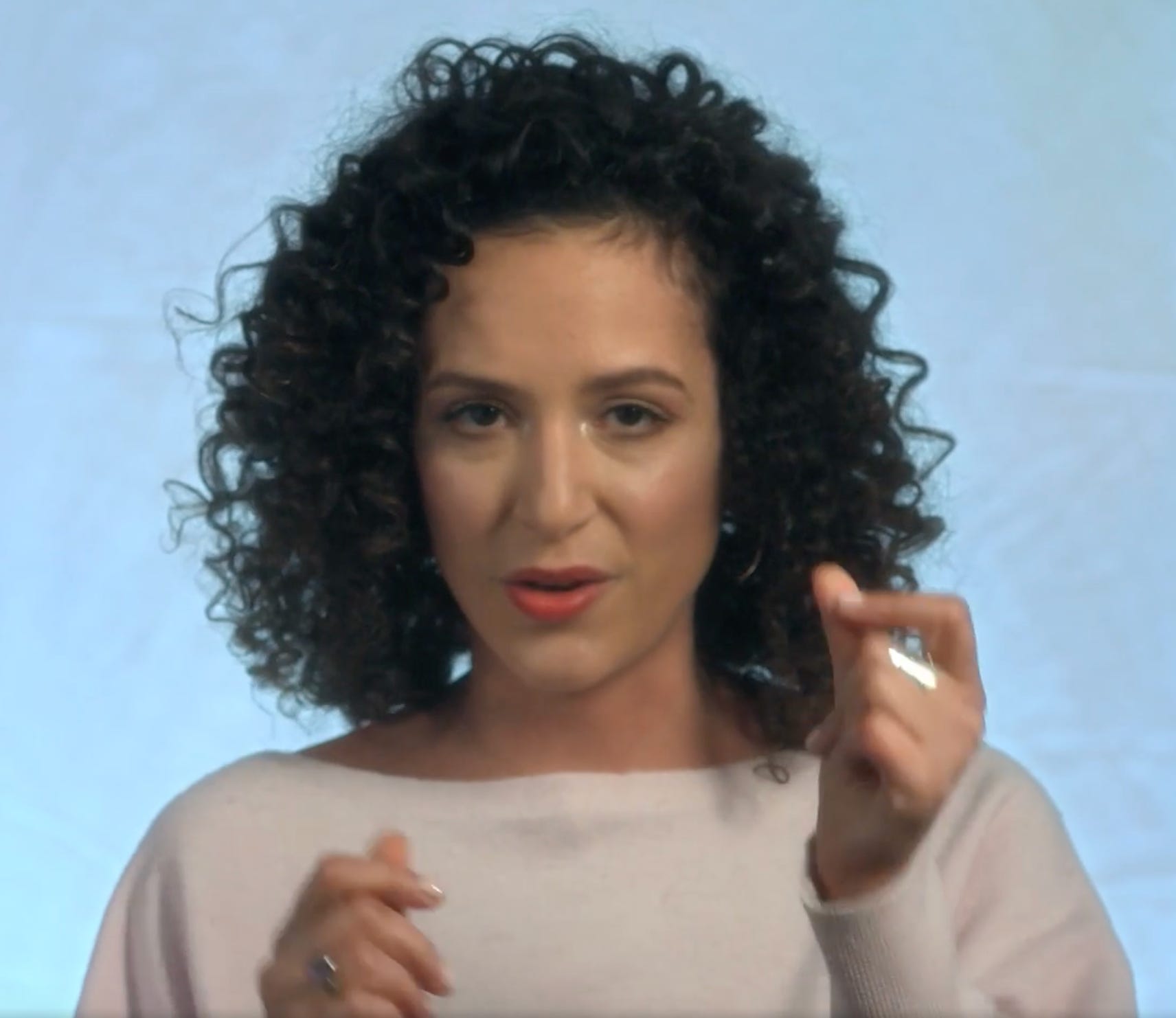
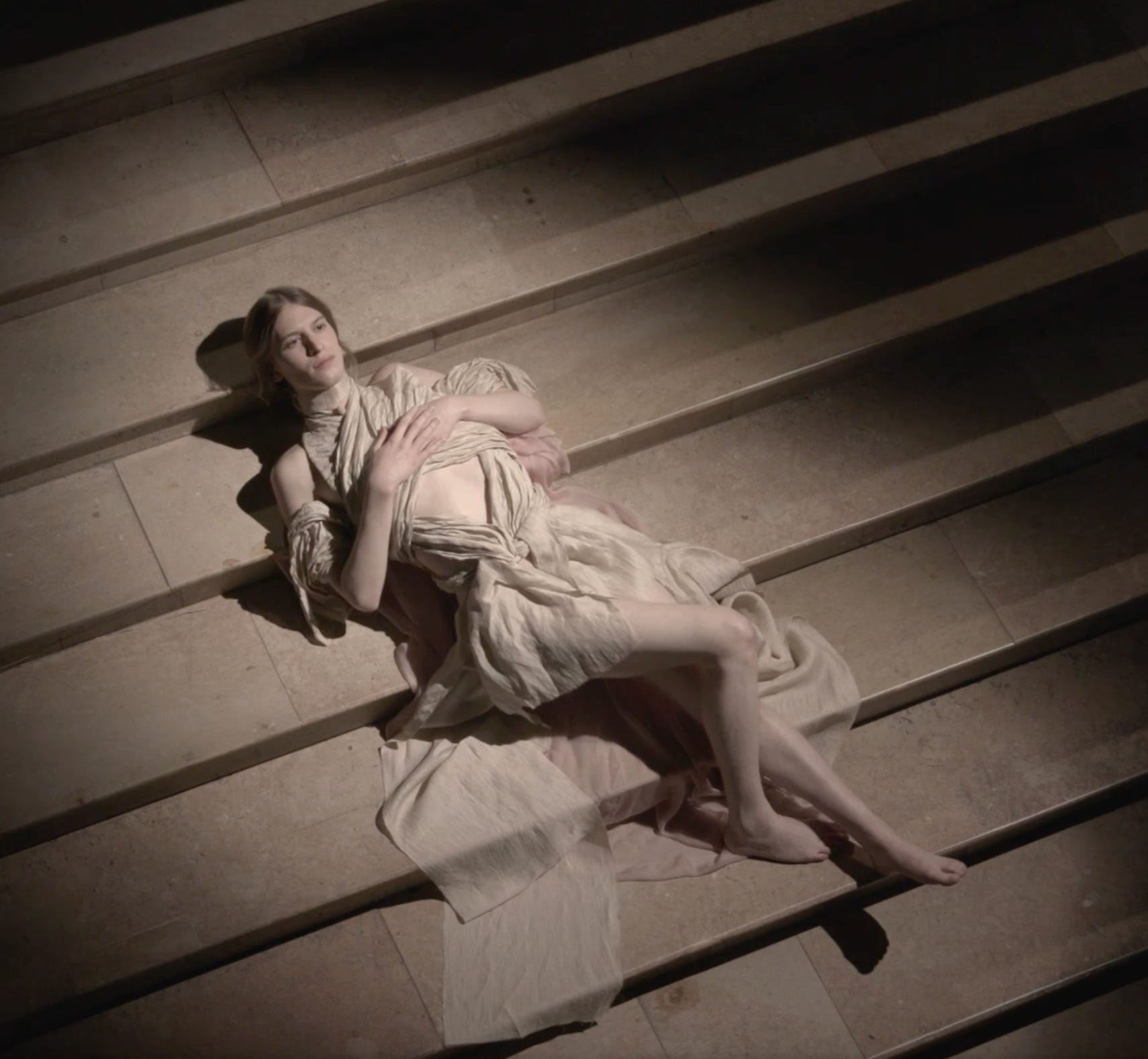
Watch the video and learn more here.
Infinite Images
In 2021, Herndon and Dryhurst were invited by OpenAI to experiment with the DALL·E 1 model, an early AI system capable of generating images from textual descriptions. The resulting artworks are these large-scale images, meticulously constructed piece by piece, that explore DALL·E ‘s capacity for coherence and artistic expression. They draw on multiple creative inspirations and sources, from Surrealism to Fauvism, photography to paint.
The duo are acutely aware that AI is fundamentally changing the way we create (arguably whether we use it or not), and iteration, sampling, and adaptation are becoming even more central to the artistic process.
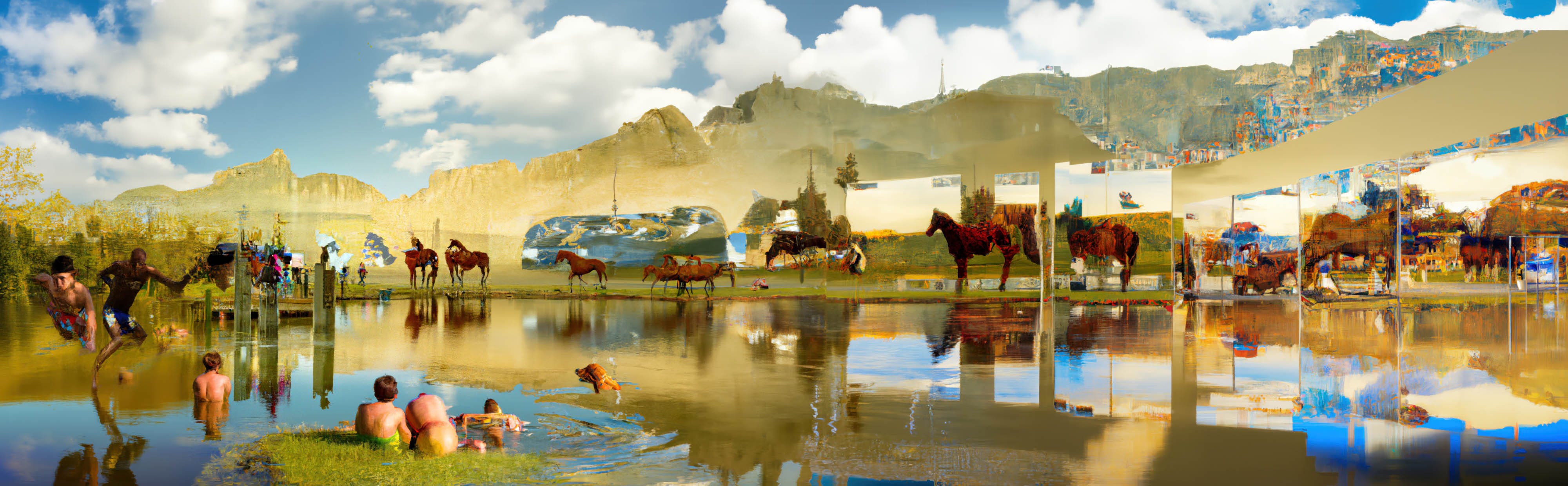

What strikes me the most about these images is the sense of scale (even on a computer screen), and the feeling of time and narrative. It’s like time both stretches and compresses - the past and future are present now in a way that is both freeing and suffocating. And certainly that is one of the effects of working with AI image generators- everything that exists in our digital past is being remixed and pulled into this present moment, into this current output, which seems to bring the future crashing in on top of us.
Dizzying. Exhausting. Exhilarating.
Check out their essay on Infinite Images to hear more of their thoughts on AI image generation.
They also get into it with Hans Ulrich Obrist:
R.J
Crash: a collection of GIFs created in collaboration with AI systems that explores the tension between progress and destruction that is always present in new and emerging technologies.
The relationship between artificial intelligence and violence is neither distant nor obscure. The same neural networks that power AI image generation also underpin predictive policing, autonomous drones, and AI-driven combat aircraft (CCAs). Cutting-edge technology and militarized violence have always evolved in tandem, and today is no different.
What is different is the erosion of a shared reality—AI-generated imagery floods our digital worlds, creating a simulacrum where truth is increasingly difficult to discern. We are entering (have already entered?) an era that is defined by increasingly autonomous violence and an escalation in disinformation which makes it harder to distinguish propaganda from fact.
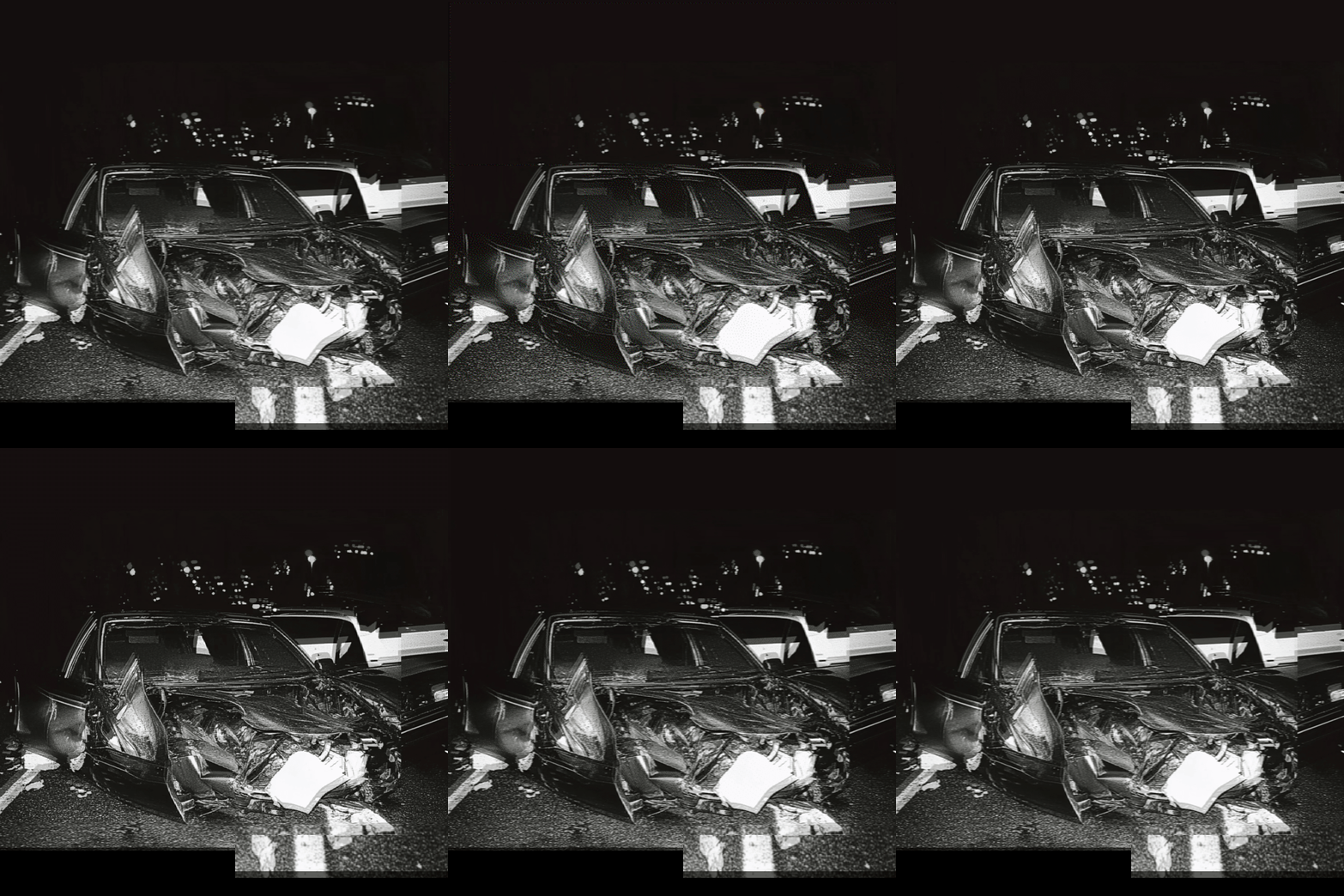
Where the car and the car-crash have been used in literature and art as symbols of both progress and desensitization, R.J uses the car as a vehicle (pun intended) for exploring the danger of derealisation…What happens when reality itself is collapsing, imploding, crashing out?
Of course the work is deeply influenced by J.G Ballard’s ‘Crash’: a novel exploring technology, violence, and sexuality; a novel that critiques modern society’s desensitization to destruction, blurring the lines between desire and catastrophe. Also present is Andy Warhol’s Death and Disaster series.
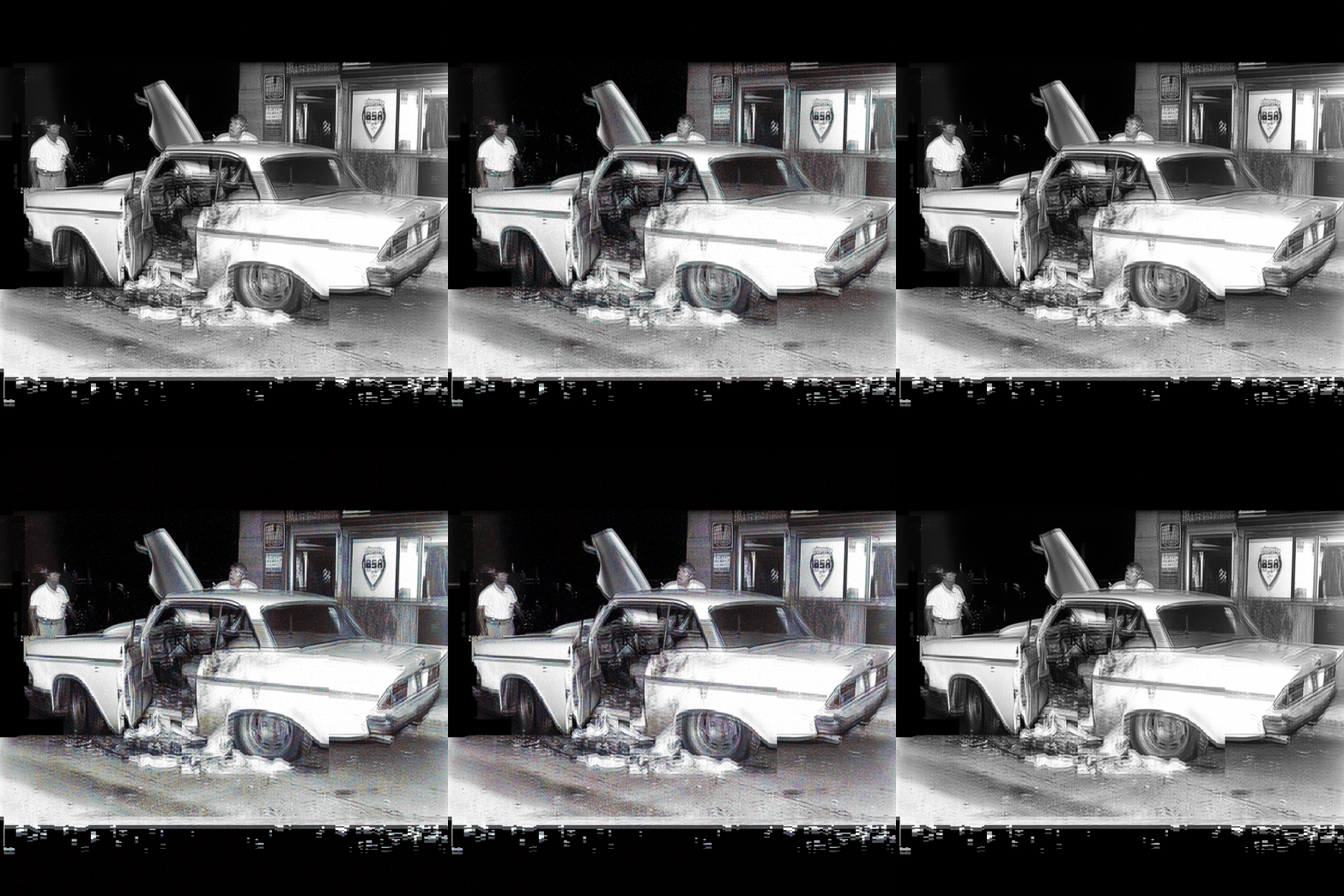
Read more about the collection on verse.works.
Read more about the cutting-edge military tech being created in Silicon Valley here.
AI is going nowhere. It’s accelerating at break-neck speed, driven forward by billion-dollar companies and tech bros who frankly don’t give a shit about you. It’s important that we engage with it now as it’s developing, and try to understand what it means for our creativity, our discourse, our grasp on reality, and our humanity. This is potentially one of the most powerful technological tools humans have created, and anime-style remixes are nothing more than a distraction from that fact.
Some great artists exploring AI include Roope Rainisto, Kevin Esherick (check out his essay on AI art), and Rachel Maclean. Another good resource is Daily.xyz, they have lots of great essays and interviews, all focused around AI art.